
Optimising Your Workspace with B2B Workspace Planning Solutions
When it comes to creating an efficient and attractive workspace, planning is everything. I have seen how a well-thought-out workspace can transform productivity and employee satisfaction. For commercial furniture and fit-out companies, having the right tools and strategies to plan office spaces is crucial. It helps you present your ideas clearly and win projects with confidence. In this post, I share some practical insights on how to optimise your workspace using B2B workspace planning solutions.
Why Workspace Planning Solutions Matter
Workspace planning solutions are more than just arranging desks and chairs. They involve understanding how space is used, what the business needs, and how to create an environment that supports work. When you use professional workspace planning solutions, you can:
Maximise the use of available space
Improve employee comfort and collaboration
Ensure compliance with safety and accessibility standards
Visualise the final design before implementation
For commercial furniture and fit-out companies, these solutions help you communicate your vision to clients. You can show them exactly how their workspace will look and function. This clarity builds trust and speeds up decision-making.

Key Elements of Effective Workspace Planning Solutions
To optimise your workspace, you need to focus on several key elements. Each one plays a role in creating a functional and appealing office environment.
Space Utilisation
Understanding how space is currently used is the first step. Look at the flow of movement, the size of workstations, and common areas. Are there unused corners or overcrowded zones? Effective workspace planning solutions help you analyse these factors and suggest improvements.
Furniture Selection
Choosing the right furniture is essential. It should fit the space, support the work being done, and be comfortable. Adjustable desks, ergonomic chairs, and modular furniture can adapt to different needs. This flexibility is especially important in dynamic work environments.
Technology Integration
Modern offices rely on technology. Planning solutions should include provisions for power outlets, data ports, and wireless access points. This ensures that technology supports productivity without cluttering the workspace.
Lighting and Acoustics
Good lighting reduces eye strain and boosts mood. Natural light is ideal, but where it is limited, artificial lighting should be carefully planned. Acoustics also matter. Noise can be distracting, so consider sound-absorbing materials and quiet zones.
Compliance and Safety
Workspace planning must meet legal requirements. This includes fire safety, accessibility for people with disabilities, and ergonomic standards. Planning solutions help you check these boxes early in the design process.
How 3D Visuals Enhance Workspace Planning
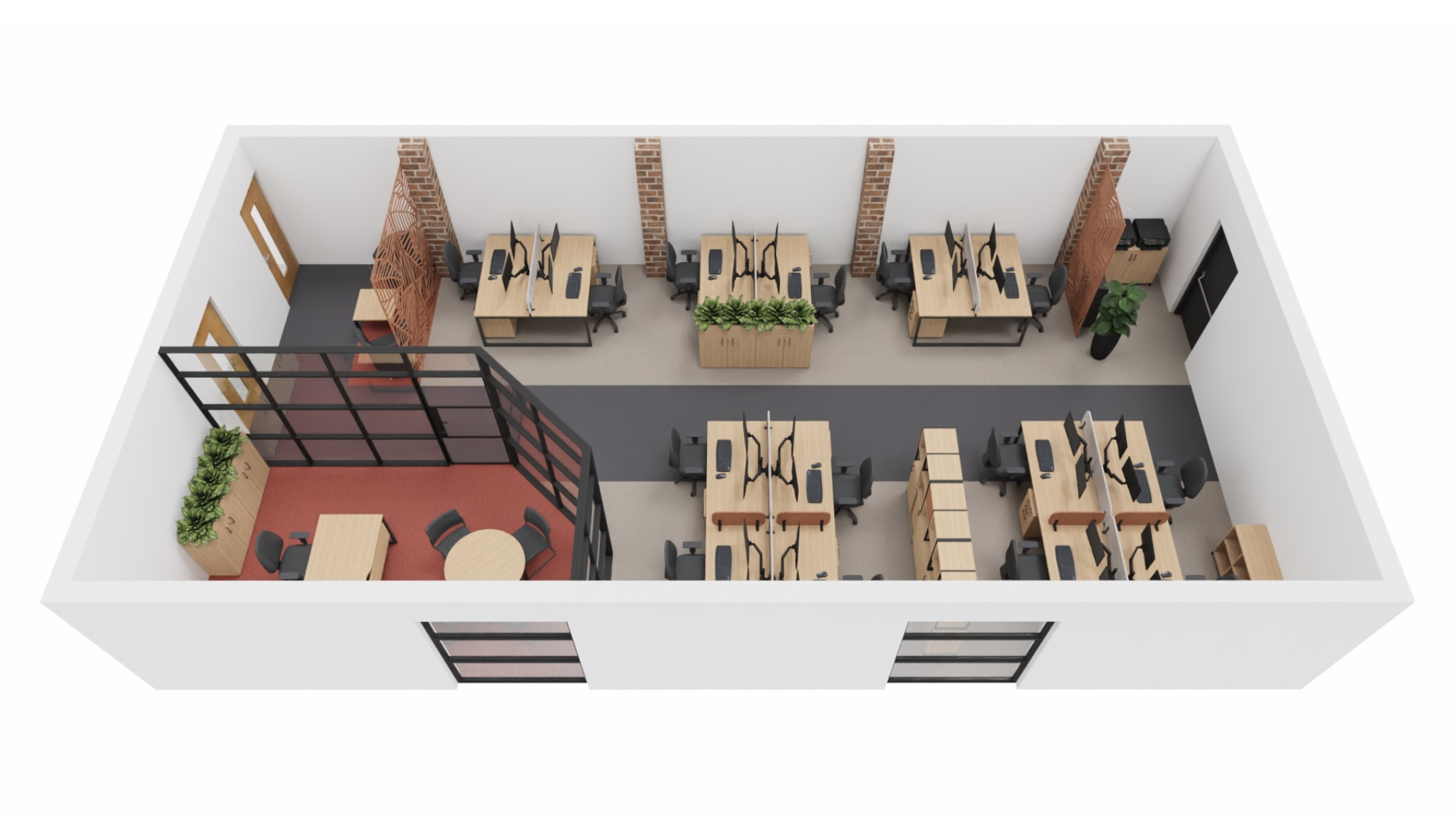
One of the most powerful tools in workspace planning solutions is 3D visualisation. I have found that 3D visuals make a huge difference when presenting designs to clients. They provide a realistic view of the space, showing how furniture fits and how people will move around.
With 3D visuals, you can:
Experiment with different layouts quickly
Highlight key features like breakout areas or meeting rooms
Show lighting effects and colour schemes
Address client questions with clear images
This level of detail helps clients feel confident about the design. It also reduces the chances of costly changes during or after fit-out.
Practical Tips for Using B2B Workspace Planning Solutions
If you want to get the most from workspace planning solutions, here are some practical tips:
Start with a detailed brief
Gather information about the client’s business, number of employees, work styles, and future growth plans. This helps tailor the design to their needs.
Use accurate measurements
Precise dimensions of the space and furniture ensure the plan is realistic. Avoid assumptions that can lead to errors.
Involve stakeholders early
Get input from managers, employees, and IT teams. Their feedback can highlight needs you might miss.
Leverage technology
Use software that supports 3D modelling and virtual walkthroughs. This makes collaboration easier and more engaging.
Plan for flexibility
Design spaces that can adapt to changing needs. Modular furniture and movable partitions are good options.
Consider sustainability
Choose eco-friendly materials and energy-efficient lighting. This adds value and supports corporate responsibility.
Work with experts
If needed, partner with specialists in commercial interior design. Their experience can improve the quality of your workspace planning.
Making Workspace Planning a Competitive Advantage
In a competitive market, offering personalised workspace planning solutions can set you apart. When you provide clear, detailed, and flexible plans, clients see you as a trusted partner. This helps you win more projects and build long-term relationships.
Remember, workspace planning is not just about aesthetics. It’s about creating environments where people can work efficiently and comfortably. By focusing on practical needs and using the right tools, you can deliver designs that truly make a difference.
Next Steps to Optimise Your Workspace Planning
If you want to improve your workspace planning process, start by reviewing your current approach. Identify areas where you can add more detail or use better tools.
Also, keep communication open with your clients. Share your plans early and often. Use visuals to explain your ideas clearly. This builds trust and helps avoid misunderstandings.
Finally, stay updated on trends in office design and technology. The workplace is evolving, and your planning solutions should evolve too. By staying ahead, you can offer innovative designs that meet modern needs.
Optimising your workspace with effective planning solutions is a smart investment. It leads to better projects, happier clients, and a stronger business. Take the time to refine your process and use the best tools available. Your future projects will thank you for it.


Comments